
Refuse Trucks, Lease vs Purchase: Which Is Better for Your Fleet?
Author
Richard Kemner
Date Published

Refuse Trucks, Lease vs Purchase: Which Is Better for Your Fleet?
A strategic comparison for modern fleet management — because acquiring refuse and recycling trucks is no longer a simple buy-or-don't decision.

When you add new refuse or recycling trucks, you face one key decision: lease or own? The complexity of modern refuse vehicles—with sophisticated hydraulics, electrical systems, emission controls, and computer-managed components—makes this decision particularly significant. Here's how to overcome budget constraints with predictable, fixed annual costs.
The Complexity of Modern Refuse Vehicles
Today's refuse trucks and recycling trucks represent some of the most technologically advanced commercial vehicles on the road.
Chassis Systems
- Advanced emission controls
- Computer-managed engines
- Sophisticated diagnostics
- Complex electrical systems
Body Systems
- Hydraulic controls
- Integrated electronics
- Computerized monitoring
- Specialized sensors
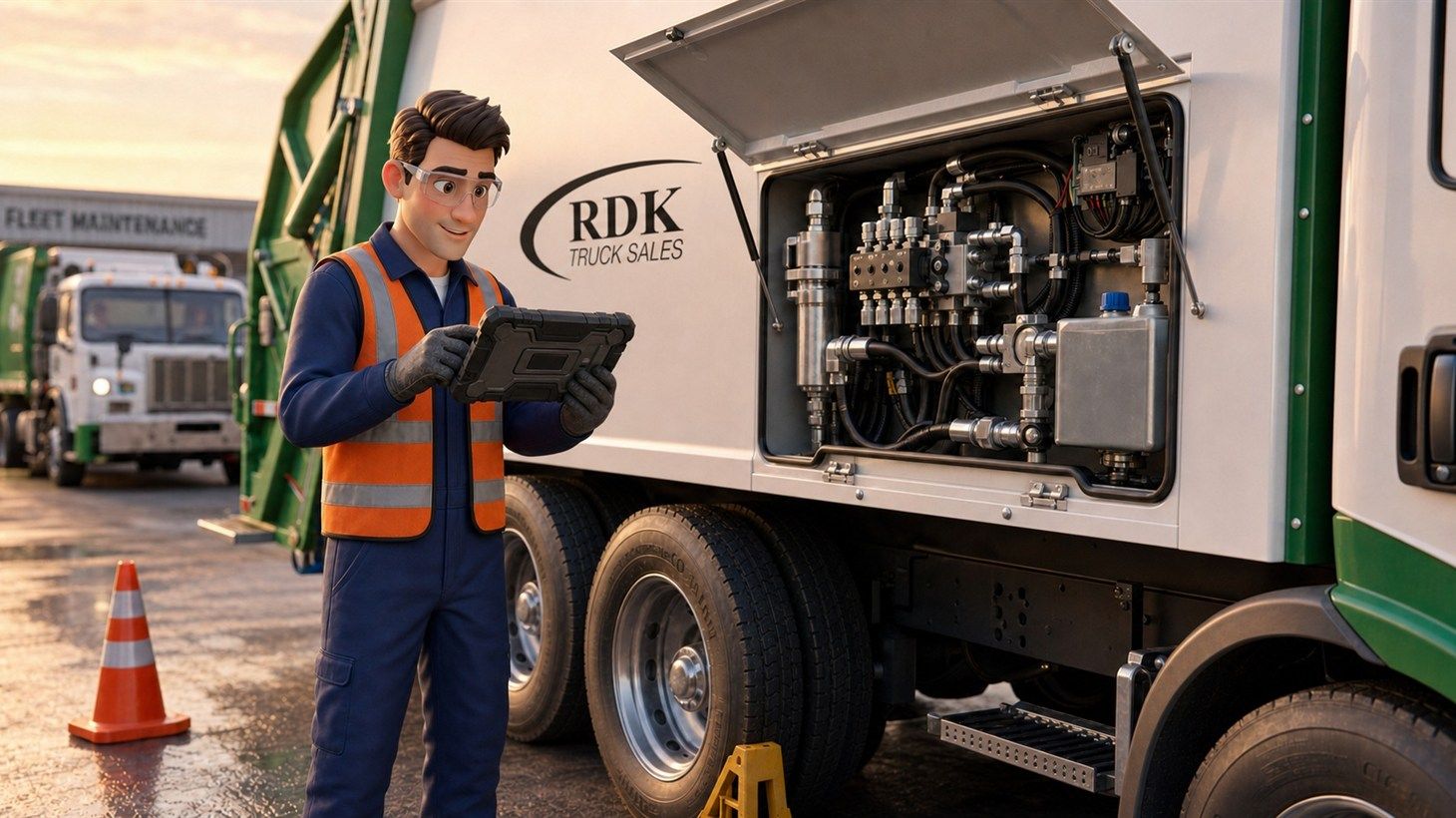
The result: you need computer-trained technicians and specialized diagnostic equipment to keep these trucks on the road.
Ownership Challenges: The Two-Warranty Problem
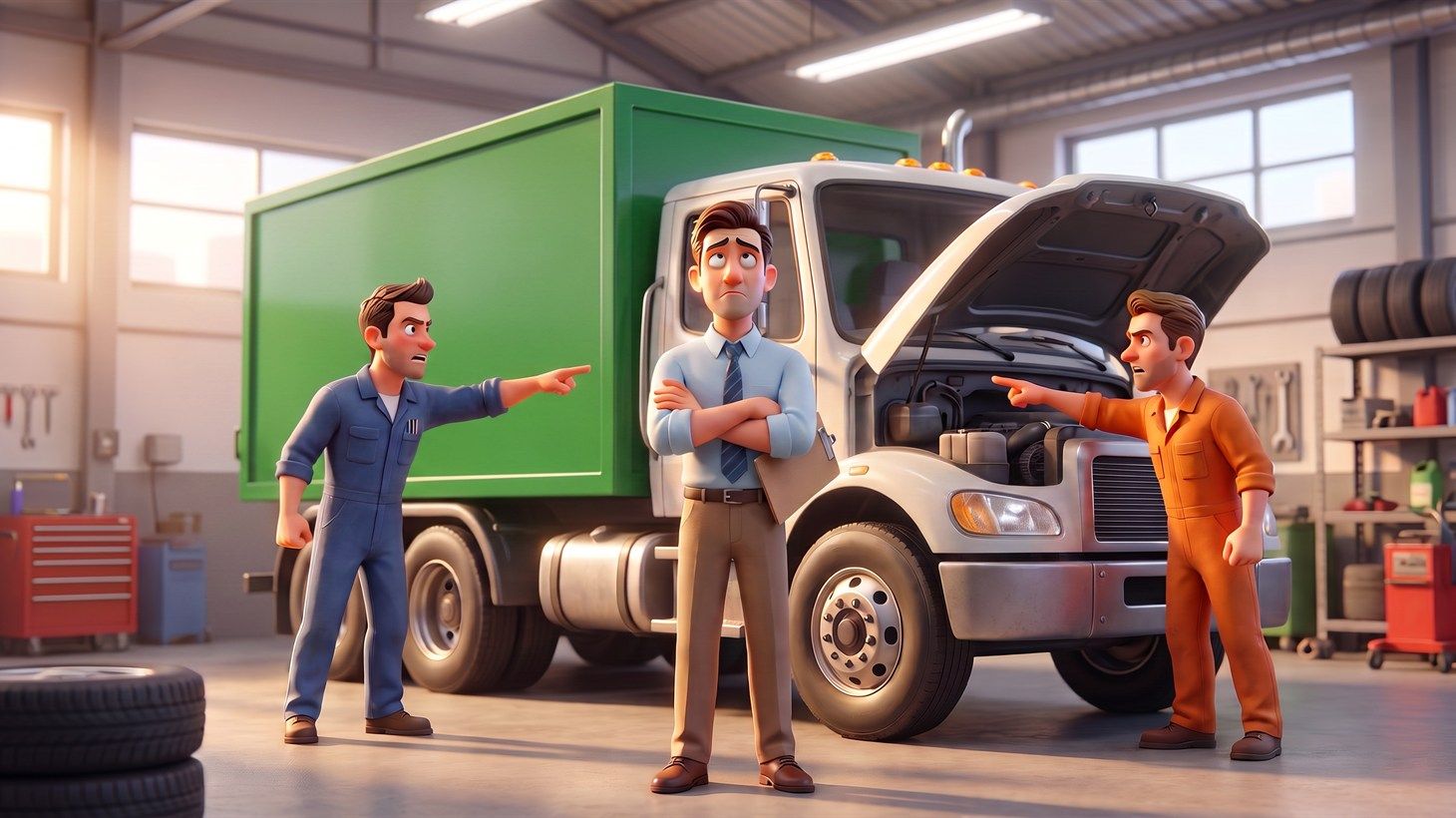
Traditional ownership involves navigating a fragmented warranty structure that creates significant operational challenges. The chassis warranty comes from the OEM dealer and typically covers only the first year. The body warranty is separate, covered by the body manufacturer's own dealer.
Technical Expertise & Maintenance Burden
Fleet operations must either develop internal expertise or rely on external providers.
Develop Internal Expertise
- Hire specialized technicians
- Invest in diagnostic equipment
- Absorb continuous training costs
Rely on External Providers
- Manage multiple service relationships
- Deal with limited accountability
- Navigate coordination challenges
Owners carry the full burden of understanding and executing complex maintenance requirements. Even small deviations from manufacturer specifications can void warranties and create major, unplanned repair costs.
The Three-Year Ownership Timeline
Year 1 – The Honeymoon Period
Manufacturer warranties provide some protection. However, navigating the two-warranty system creates friction: chassis and body dealers point fingers at each other, your trucks sit idle during warranty disputes, and downtime impacts service delivery and revenue. Even in the best year of ownership, split warranties create friction, downtime, and extra management work.
Year 2 – Reality Sets In
Warranty coverage expires or becomes severely limited. The fleet now bears increasing costs as expensive emission system components begin to fail, sensors and computer modules require replacement, and each failure requires specialized diagnostic expertise. Unplanned repair bills start to disrupt your budget.
Year 3 – Costs Accelerate
Maintenance and repair costs accelerate significantly with refuse trucks, forcing a critical decision: invest in major repairs on vehicles approaching replacement age, or accept reduced reliability? Meanwhile, technology becomes outdated, wear accumulates, and resale value drops. By year three, you face the highest cost uncertainty at the exact time trucks are aging out.
Beyond Year Three – The Ongoing Ownership Dilemma
After the three-year mark, fleet managers face increasingly difficult decisions.
| Option | Key Impacts | Typical Risks |
|---|---|---|
| Option A: Keep Running | Escalating maintenance costs and growing downtime as trucks age | Reliability issues, technology obsolescence, and increasing compliance exposure |
| Option B: Dispose | Time‑consuming resale process and immediate need for replacement capital | Uncertain resale values, reduced demand for obsolete specs, and potential service disruption |
Option A: Keep Running
- Escalating maintenance costs
- Increasing reliability concerns
- Growing downtime issues
- Technology obsolescence
- Regulatory compliance risks
Option B: Dispose
- Finding buyers for used equipment
- Uncertain maintenance history impacts resale
- Obsolete technology reduces value
- Time and effort required to sell
- Need for immediate replacement capital
Neither option is attractive. Both create financial strain and operational headaches.
The RDK Lease Solution – A Better Approach

The RDK Three-Year Lease Program directly addresses the biggest pain points of ownership: single accountability, training and technical support, fleet-wide partnership, and financial predictability.
Single Accountability
Whether the issue originates in the chassis, body, hydraulics, electrical system, or emissions controls—RDK handles it. No finger-pointing between chassis and body dealer. Rapid problem resolution means the focus stays on getting trucks back in service, not determining fault. One team understands the entire integrated system. In practice, this eliminates the warranty blame game and keeps trucks working instead of waiting on approvals.
Training and Technical Support
RDK provides specialized training and technical resources that transform your team's capabilities—operator training for complex systems, preventive maintenance best practices, sophisticated computer components supplied, advanced diagnostic sensors provided. This knowledge transfer builds your internal capabilities and helps prevent costly operator and maintenance mistakes.
Fleet-Wide Partnership
RDK's partnership extends across your entire refuse fleet, not just the vehicles under lease. Upon request, RDK provides maintenance guidance and support for your entire fleet, creating consistency in practices and standards. Preferred fleet pricing applies throughout your relationship—not just on the initial lease—plus discounted pricing and preference on additional units for short-term needs, seasonal demands, or fleet growth.
Financial Predictability
Lease payments remain fixed throughout the term, making budgeting straightforward and reliable—no surprise repair bills, no disposal headaches, and a simple transition to new equipment at the end of term.
RDK Three-Year Lease Program
Technology & Regulatory Advantages
The refuse industry faces rapidly evolving technology and tightening regulations. Your fleet strategy must account for both.
Technology Obsolescence
Refuse vehicle technology evolves rapidly, particularly in emission control systems, fuel efficiency, safety and monitoring features, diagnostic capabilities, and operational efficiency systems. Three-year lease cycles ensure you operate current technology.
Regulatory Compliance
Requirements continue tightening for refuse trucks: evolving emission standards, expanding safety regulations, environmental compliance, municipal contract requirements, and state and federal mandates. Leasing gives you the flexibility to adapt without being trapped in non‑compliant assets, while ownership ties your capital up in depreciating, potentially obsolete trucks.
Side-by-Side Comparison
| Factor | Ownership Reality | RDK Lease Reality |
|---|---|---|
| Warranty Structure | Split between chassis & body dealers, with frequent finger‑pointing | Single point of accountability for the entire truck |
| Year 1 Costs | Warranty provides some coverage but creates coordination issues | Fixed payment with comprehensive coverage |
| Year 2–3 Costs | Escalating, unpredictable repair expenses as components age | Same fixed payment, with covered repairs and maintenance |
| Technical Support | Must build internal expertise or manage multiple vendors | Training provided, components and diagnostic support supplied |
| Fleet Support | Support limited to individually owned units | Guidance and support available across the entire fleet |
| Technology | Capital tied up in aging technology | New or current equipment every three years |
| End of Term | Disposal challenges and uncertain residual values | Simple transition into a refreshed fleet |
| Capital Required | Significant upfront investment and ongoing repair exposure | Capital preserved for operations and growth |
| Additional Units Pricing | Standard retail pricing on new acquisitions | Preferred fleet pricing on additional or seasonal units |
The Real Question
It's not simply lease vs. purchase. The real decision is whether you want to carry all the complexity and risk of owning these sophisticated refuse trucks or partner with an organization that assumes that responsibility while providing expertise, support, and pricing advantages that extend across your entire fleet.
Why RDK? – The Complete Solution
We eliminate the pain points—warranty fragmentation, technical complexity, maintenance burden, financial unpredictability, technology obsolescence, and disposal challenges—and replace them with single-source accountability, complete warranty coverage, technical training and support, fleet-wide partnership, a preferred pricing structure, and the freedom to focus on operations.
Ready to talk about your fleet? Let’s explore how RDK’s three‑year lease program can work for your routes and contracts. Contact RDK today and we’ll build a refuse truck solution that fits your operation.
RDK Truck Sales · 3214 E Adamo Dr, Tampa, FL 33605

EPA 2027 emission standards could add $20,000–$30,000 to every new refuse truck. Here's what fleet managers should know before their next purchase.

From freight volumes to garbage tonnage, seven 2025 recession indicators are telling the same story—and what it means for your equipment decisions.

Rising fuel costs, driver shortages, tighter municipal budgets — every refuse hauler feels it. Here's how the haulers who come out ahead use tough stretches to grow instead of just survive.